
Blog
Helpful articles, expert insights and practical tips to support your health and well-being
Illnesses: When Should Parents Be Concerned?
A practical guide to recognising when a common childhood illness may require medical attention.
Children get sick from time to time. Colds, coughs, fevers, stomach upsets and other minor illnesses are common during childhood. In many cases, children recover with rest, fluids and appropriate care.
However, some symptoms can indicate that a child needs medical assessment. Knowing what to watch for can help parents decide when to monitor symptoms at home and when to seek professional advice.
Common Childhood Illnesses
Some of the illnesses children commonly experience include:
- Colds and viral respiratory infections
- Cough and sore throat
- Fever
- Ear infections
- Vomiting or diarrhoea
- Mild skin rashes
- Flu-like illnesses
Most childhood illnesses are not serious, but symptoms can vary considerably from one child to another. The child’s age, existing health conditions and overall behaviour are important considerations.
Look at Your Child, Not Just the Temperature
A fever can be concerning for parents, but the number on a thermometer is only one part of the picture.
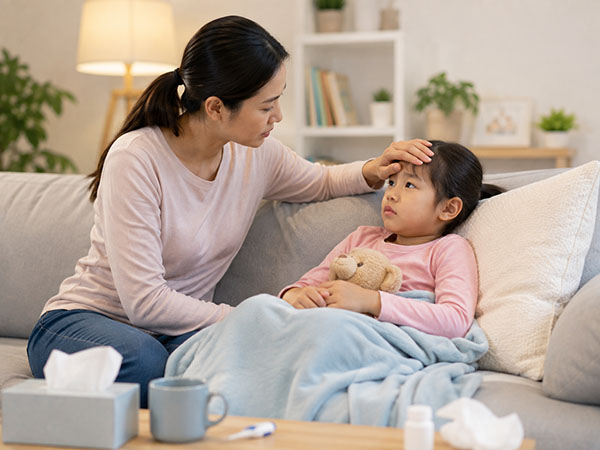
Pay attention to how your child is behaving and functioning. A child who is drinking, interacting and becoming more comfortable as the illness improves may require a different approach from a child who appears unusually weak, difficult to wake or significantly unwell.
Other things to observe include:
- Whether your child is drinking enough fluids
- Urination and signs of dehydration
- Appetite
- Energy and activity levels
- Breathing
- Alertness and responsiveness
- Whether symptoms are improving or getting worse
When Should Parents Seek Medical Attention?
Consider contacting a healthcare professional if your child:
Has Difficulty Breathing
Breathing difficulties, unusually fast breathing, persistent wheezing or visible effort when breathing should be assessed promptly.
Is Unusually Sleepy or Difficult to Wake
A child who is unusually drowsy, confused, difficult to wake or not responding normally requires medical attention.
Shows Signs of Dehydration
Vomiting, diarrhoea or poor fluid intake can lead to dehydration. Reduced urination, a very dry mouth, lack of tears or unusual tiredness can be warning signs.
Has Persistent or Worsening Symptoms
If an illness is not improving as expected, symptoms continue to worsen, or your child develops new symptoms, seek medical advice.
Has a Concerning Rash
A new or rapidly spreading rash, particularly when accompanied by fever or a child who appears seriously unwell, should be medically assessed.
Is Not Drinking or Feeding Properly
Poor feeding can be particularly important in babies and young children. Persistent difficulty feeding or inadequate fluid intake warrants professional advice.
Some Children Need Extra Attention
Parents should have a lower threshold for seeking medical advice when caring for very young babies or children with underlying medical conditions.
Children with chronic illnesses, weakened immune systems or other significant health concerns may require individual advice from their healthcare team when they become unwell.
Trust Your Instincts
Parents often recognise when their child’s behaviour is different from normal.
If your child simply does not seem like themselves, is deteriorating rather than improving, or you are worried about their condition, it is reasonable to seek professional medical advice.
You do not need to wait for symptoms to become severe before asking for guidance.
When Is Emergency Care Needed?
Certain symptoms require urgent medical attention, including severe difficulty breathing, loss of consciousness, seizures, severe dehydration, significant bleeding, or a child who is extremely difficult to wake or is not responding normally.
If you believe your child is experiencing a medical emergency, seek emergency medical care immediately.
The Bottom Line
Most childhood illnesses are temporary, and children often recover well with appropriate care. But recognising changes in behaviour, breathing, hydration and overall condition can help parents identify when medical assessment is needed.
When in doubt, speak with a qualified healthcare professional rather than trying to diagnose your child yourself.